
How I partnered with Lighthouse Ranch to tell a story about teen mental health
Context and Framing
Lighthouse Ranch is building something Southwest Montana is sorely missing: a dedicated mental health campus for teenagers in crisis. They've raised millions toward an ambitious but necessary $8.5M goal.
Kirsten Smith, the organization's executive director, needed a film that could carry two things at once: the weight of a real crisis and the possibility of something better. This film needed to serve donor events, community partnerships, and a public that is only beginning to understand what's being built and why it matters.
My role: I developed the narrative strategy, directed all interviews, shot the footage, and edited the final documentary along with a trailer and several short-form cutdowns.
Scope and Deliverables
>> 17-minute flagship documentary
>> Designed for donor events, major gift conversations, and community partnership development
>> Trailer and short-form cutdowns for social media
Narrative Approach
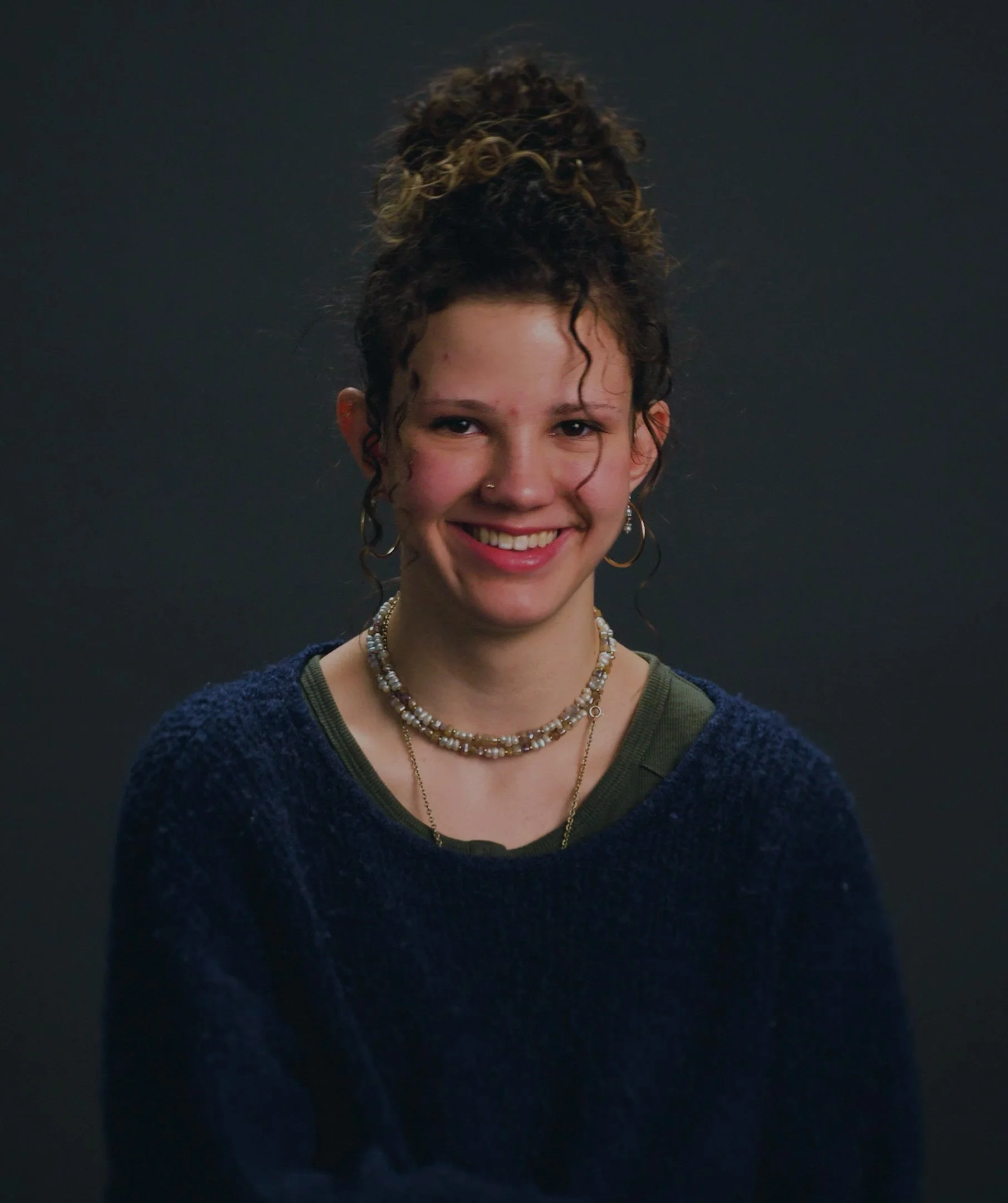
An effective story about teen suicide requires a tightrope walk between extremes: how do you avoid burdening the viewer with a one-note story of trauma while keeping out of the weeds of impersonal statistics and data points?
My approach was to lead with Jayden.
Jayden is a Big Sky teenager who has lived this crisis from the inside — the depression, the anxiety, the suicidal ideation, the attempts, the hospitalizations, the care facilities hundreds of miles from home.
She is also a sensitive soul who loves art, who takes special joy in caring for young children, and who has a disarmingly sweet smile.
In a film with seven other interviews from experts and community stakeholders, Jayden’s story is the backbone of this film.
Three things guided how I told it:
>> Lead with a person, not a problem. Audiences connect with individuals. Jayden makes the abstract crisis real.
>> Show the gap to build the case. The film earns its argument for Lighthouse Ranch by showing what exists right now and, most importantly, what doesn't.
>> End with possibility, not pity. The film closes on what is really at stake here: a teen’s future, a family’s togetherness, and a shared life of support, love, and joy.
Production Process: Earning the Story
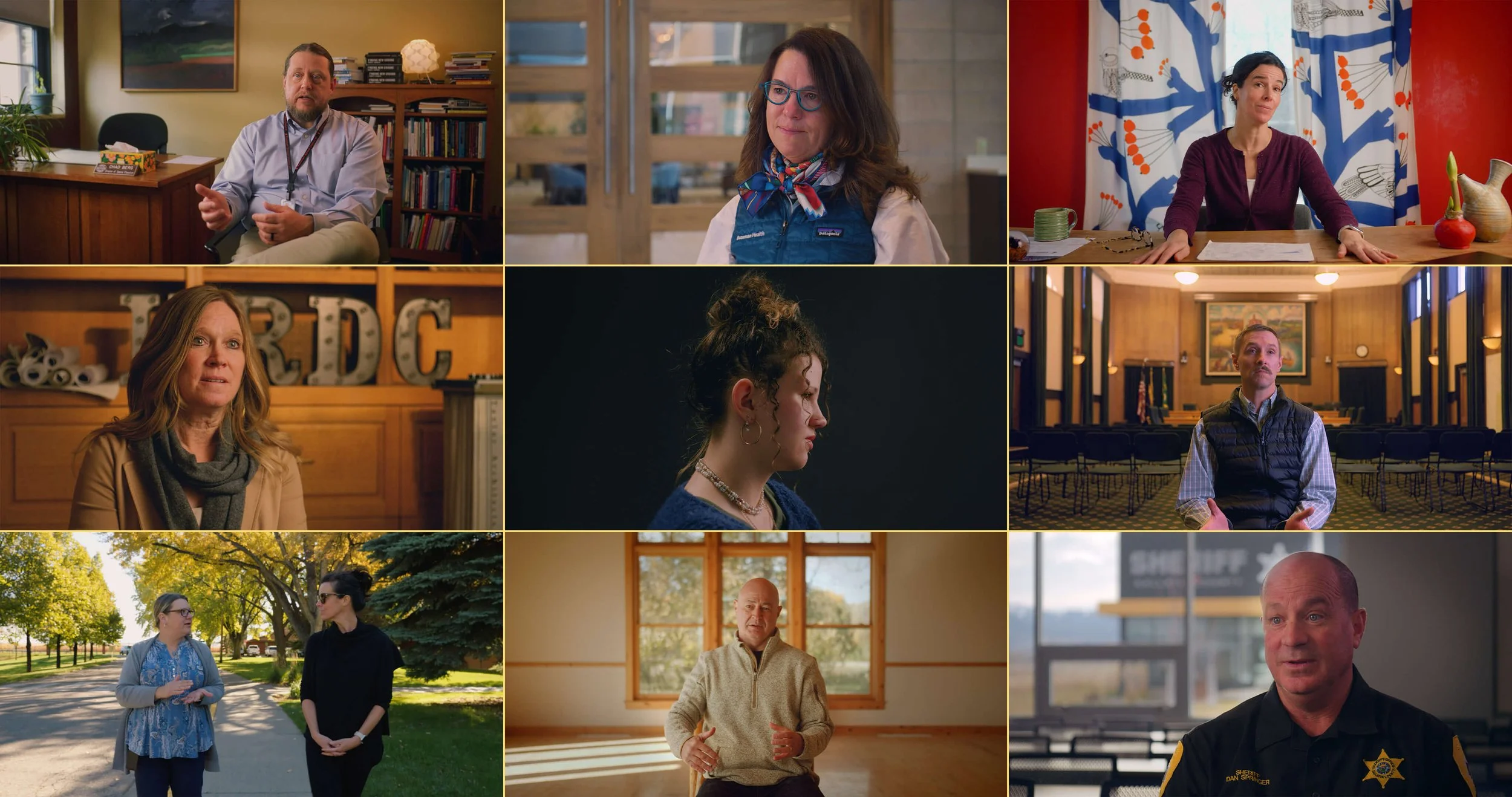
When Jayden and her mother came into my film studio, I had already interviewed everyone else to be featured in this film — collecting community perspectives from the likes of the Gallatin County Sheriff and CEO of Bozeman Health; meaningful endorsements from a Gallatin County Commissioner and the President of HRDC; an explanation of the ranch itself by the CEO of the Yellowstone Boys and Girls Ranch.
Jayden's would be the most delicate and critical perspective of the film. She had never been on camera before. And now, with lights shining in her eyes, she would be asked to share details of the hardest moments of her life.
Before hitting record, I made clear to Jayden that she would have control over her story — that I would ask questions, but she would lead with the answers she wanted to share. As we talked, I gave her space and silence to feel the emotions that came up in the moment. I also took care to show my own interest in her well-being — talking about her interests, her future hopes, her thoughts about how the world of mental health could be better.
Many of my questions were not designed to elicit film-ready answers. My intention, far more than anything else, was to make Jayden feel safe, supported, and heard.
The resulting interview provided a necessary emotional grounding for the rest of the film, lending weight and urgency to the words of everyone who speaks after her.
Uses and Outcomes
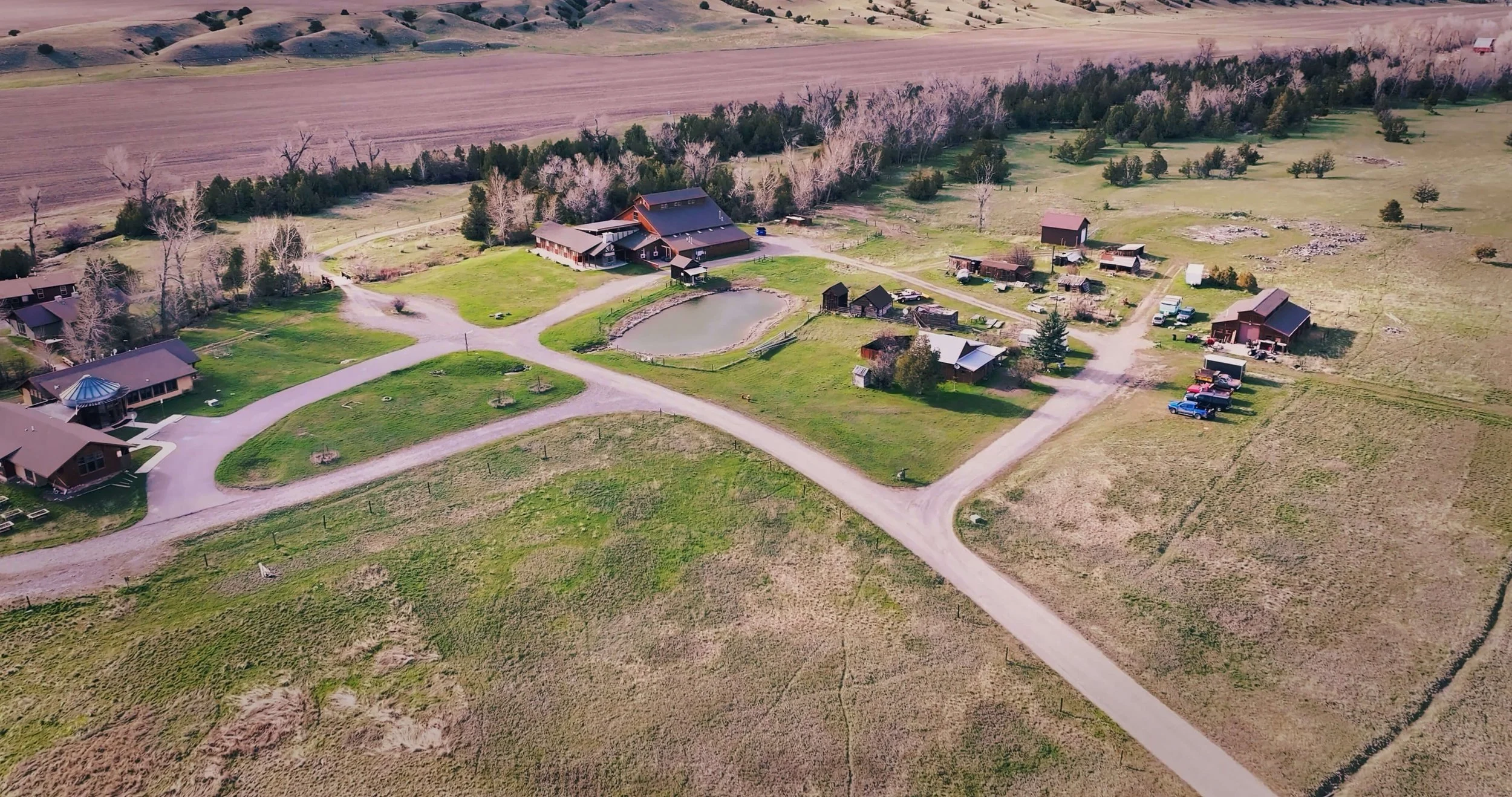
>> Kirsten Smith is using the film at in-person donor events and major gift conversations as Lighthouse Ranch works toward its $8.5M fundraising goal
>> A community premiere at Lighthouse Ranch is scheduled for May 27
>> The film has been submitted to Lone Peak Film Festival in Big Sky, Montana
>> A trailer and short-form cutdowns have been released on social media to extend the film's reach during the active fundraising campaign
“Wow. It’s incredible. No notes from me. It’s perfect. Thank you for your beautiful, heartfelt work.”
