
Context and Framing
In 2025, HRDC celebrated 50 years in this community. As their creative partner, I proposed using the moment not as a retrospective, but as an opportunity to reintroduce the organization to the community — through an engaging, cinematic, and moving portrait of HRDC and its integral role in building a thriving Southwest Montana.
In other words: a documentary film that would be timely and impactful for years to come.
My role: I helped strategize the narrative, wrote the film’s outline, shot all interviews and footage, and edited the final documentary.
Scope and Deliverables
>> 25-minute flagship documentary
>> Designed for gala fundraising, donor engagement, and public sharing
>> Social media cutdowns derived from the full film
>> YouTube and web distribution
The project would be premiered in front of a live audience in spring of 2025, coinciding with a celebration of Homeward Point, HRDC’s new emergency shelter.
Narrative Approach
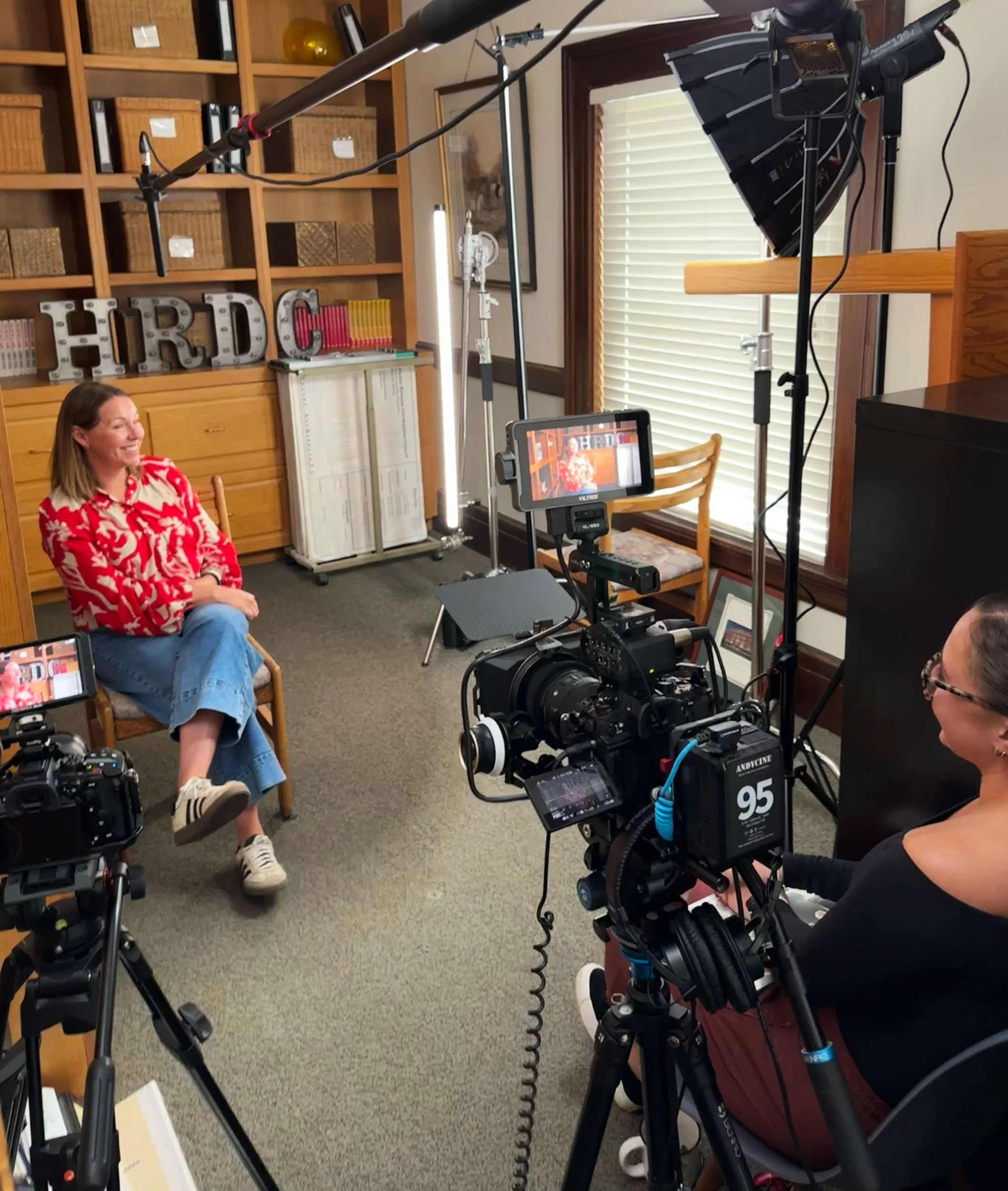
The power of this documentary relied on three guiding stars:
>> Capture the energy, people, and places behind HRDC’s efforts and impact — which meant showing people in their own spaces and making every environment feel tangible and real.
>> Allow viewers to invest in the film’s subjects and their lives — which required finding good stories and employing patience in telling them.
>> Prioritize stories of meaning over stories of trauma — which led to interviews that focused on each subject’s sense of purpose and the lives they were authoring for themselves.
This approach resulted in nine interviews across staff, leadership, and customers, with several stories carefully weaved together. The film’s length of 25 minutes allowed space for nuance, context, and emotional impact.
Production Process: Care and Trust
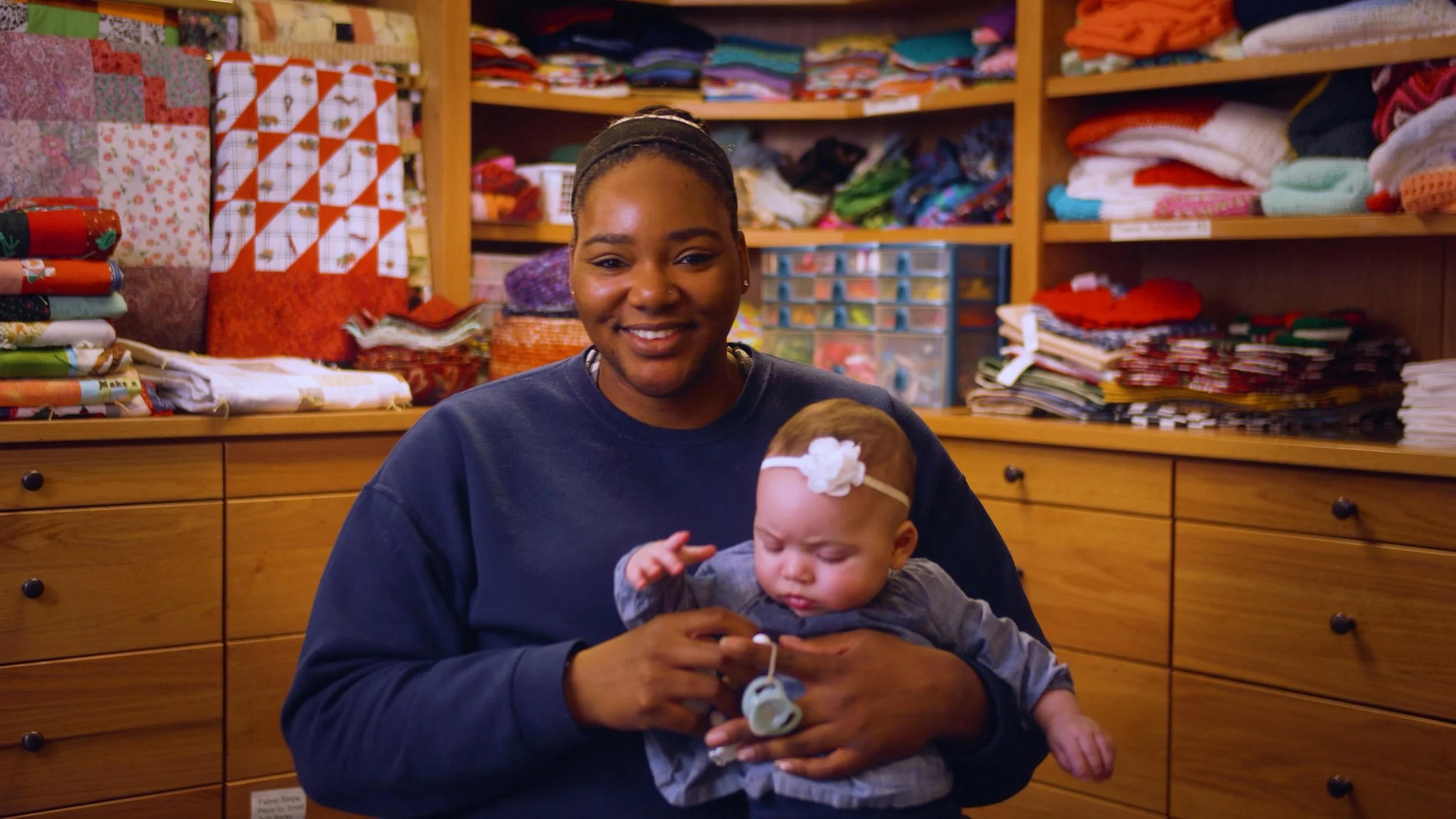
April and her baby, JJ
Because the film centered on people’s lived experiences — including vulnerable stories about overcoming struggles — the production process prioritized care, affirmation, and trust.
April was one of the film’s first participants: she had experienced years of homelessness before finding stable housing through HRDC. April had never done an interview before; she was protective of her story, and she was nervous.
So I slowed the process: before removing any equipment, I got to know her. I met her baby, JJ, and I talked about my own child. I walked her through exactly how the shoot would go, and ensured she would have control over her story. And, importantly, I made sure that the person actually interviewing her would be someone at HRDC that April already knew and trusted.
After the interview, she was beaming. The process of telling her story — of trusting me and, in turn, feeling validated — was empowering. Later, she would describe the experience as one of her “best days.”
Moments like this defined my approach to the entire project: filming in safe and familiar locations, allowing time for conversations to unfold, and treating interviews as collaborative spaces.
Uses and Outcomes
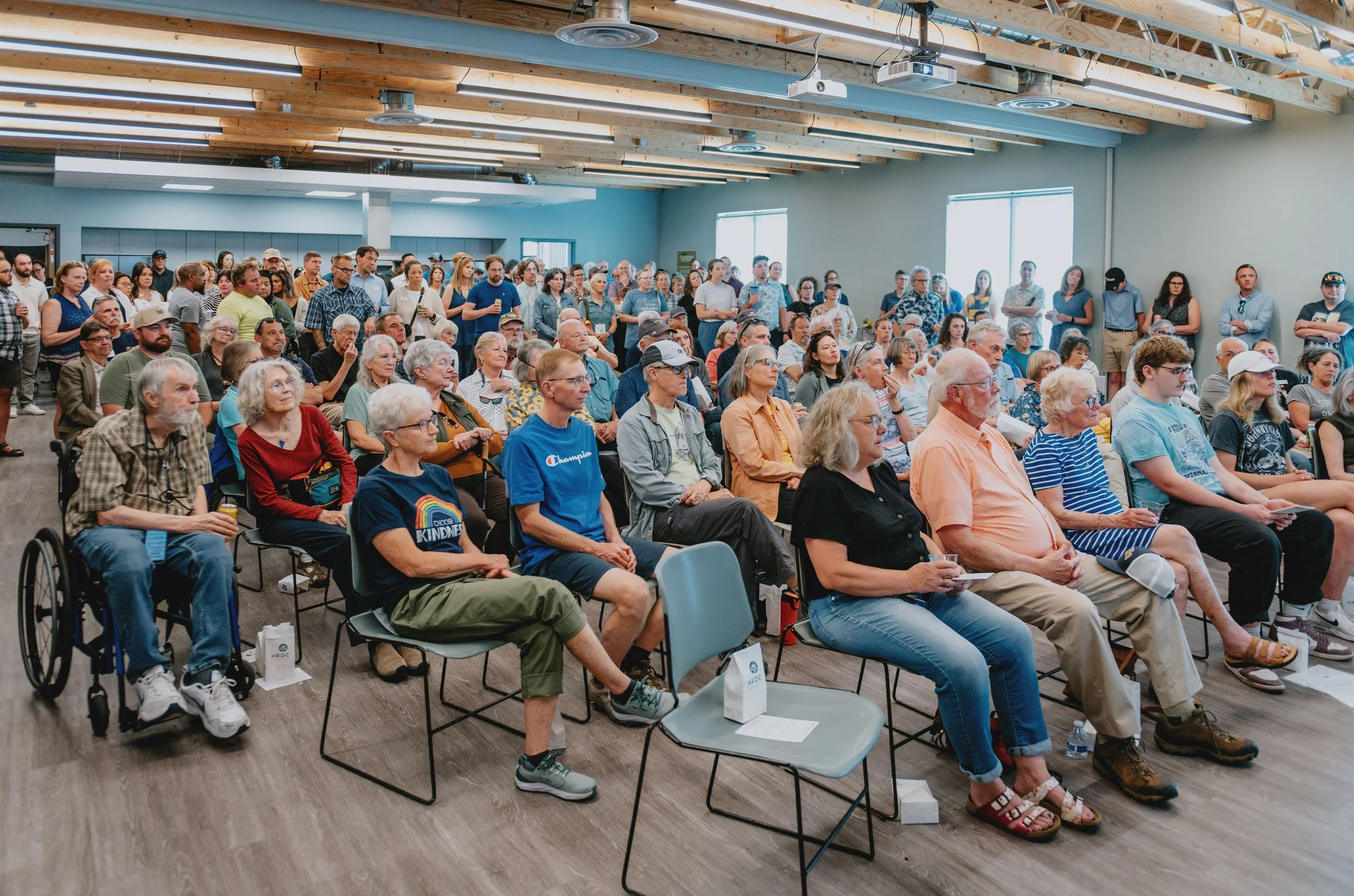
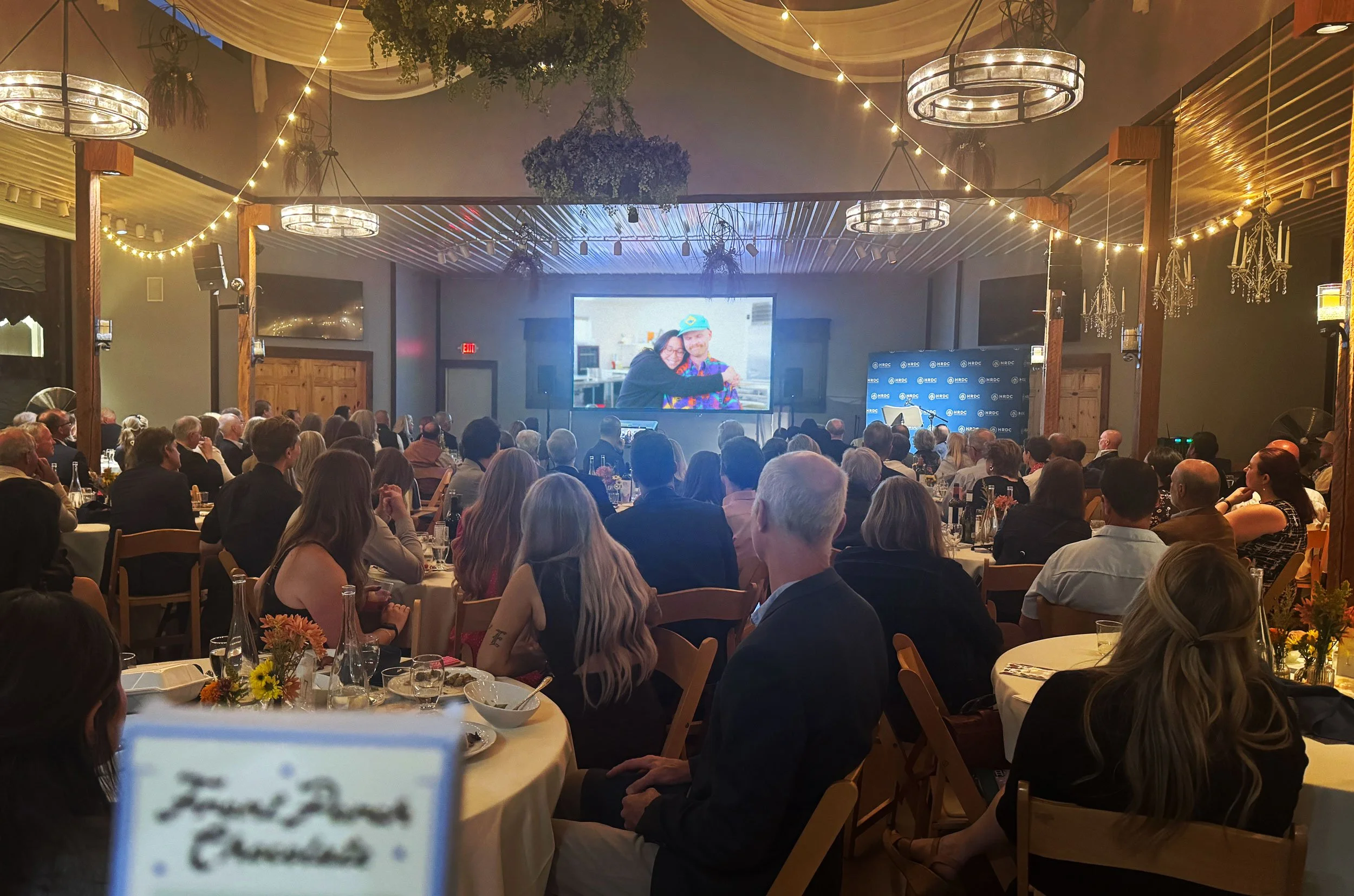
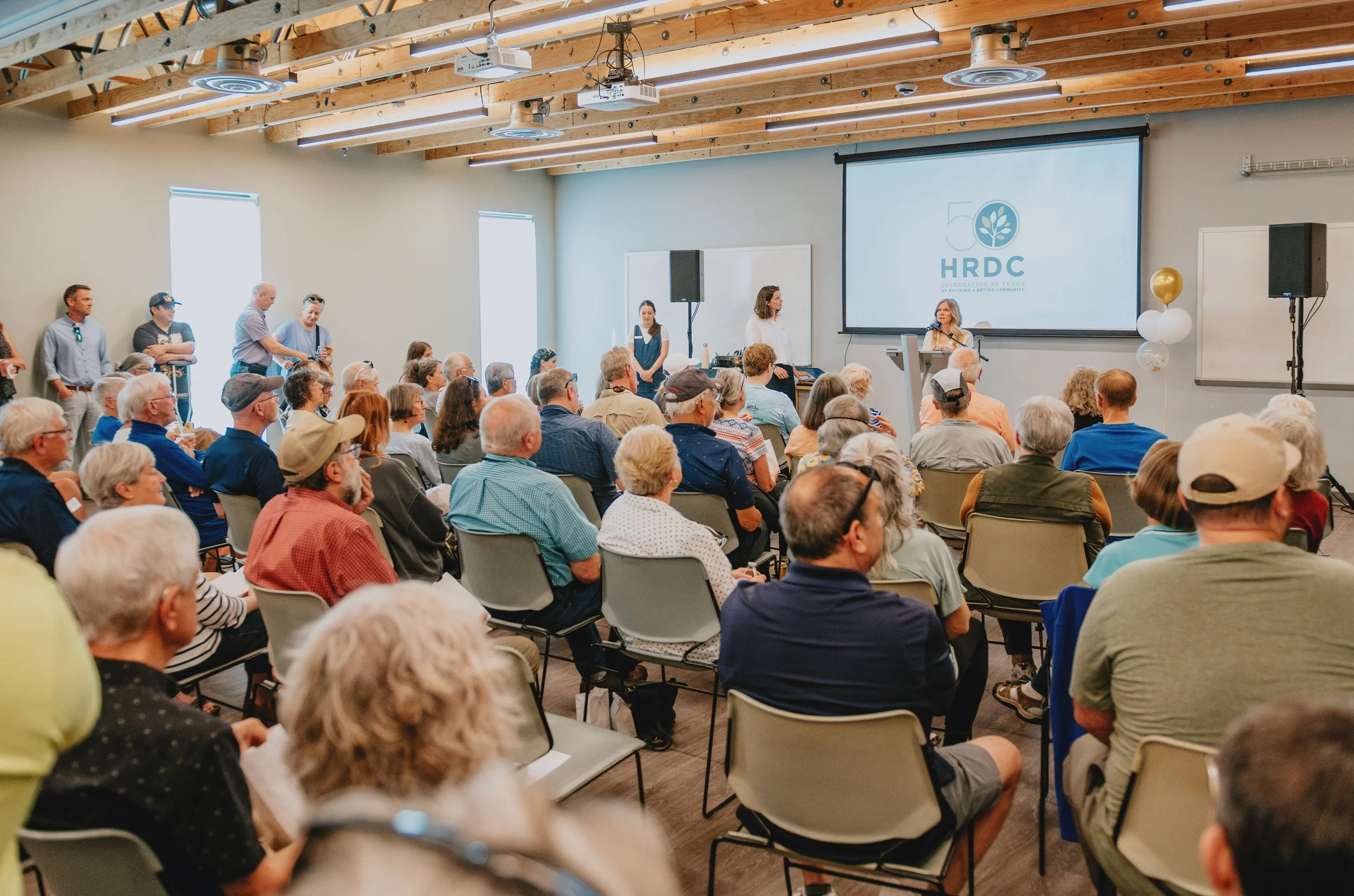
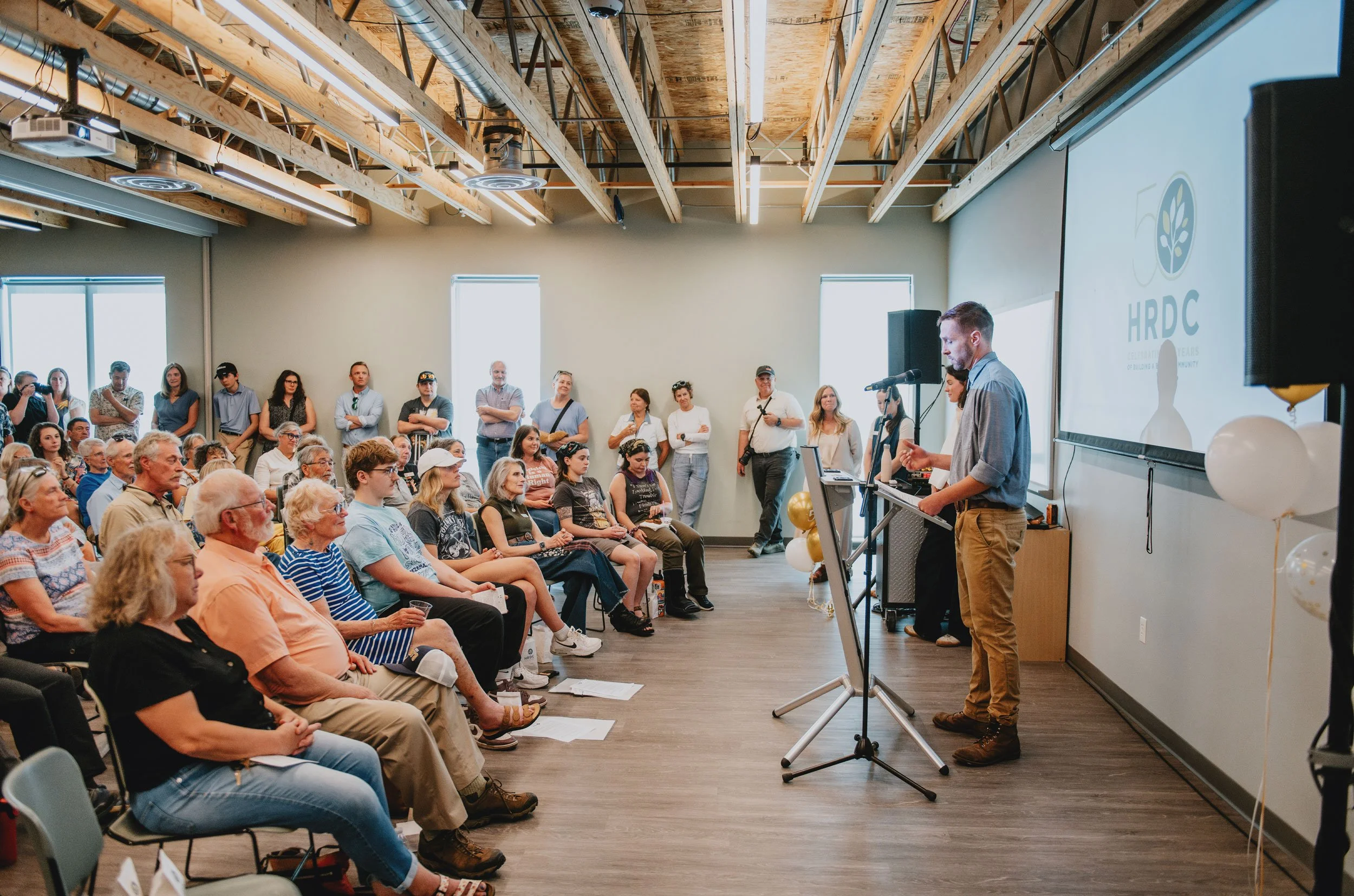
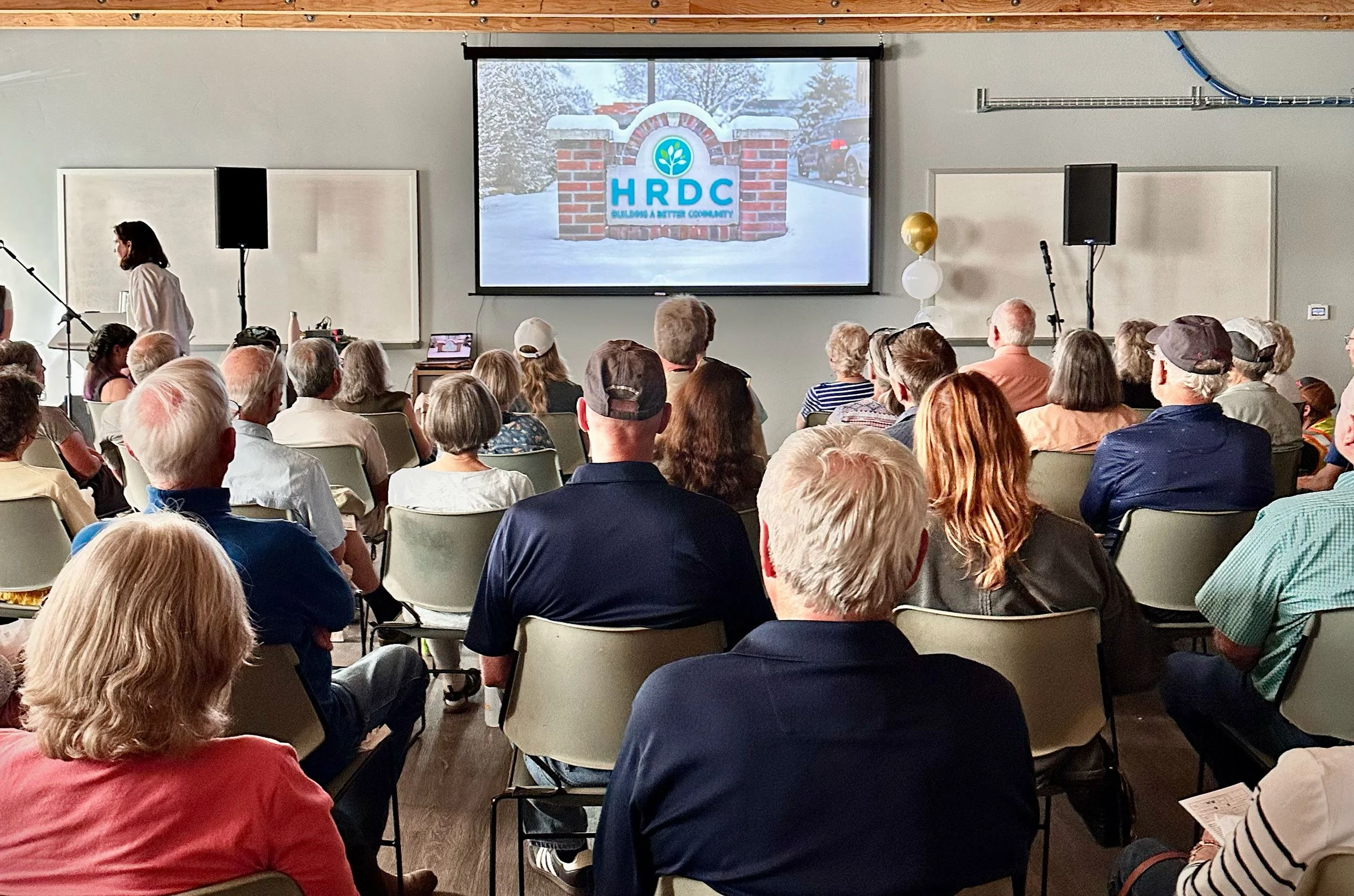
>>The film premiered in May 2025 for HRDC’s 50th anniversary event, with hundreds of community members in the audience. Before the lights dimmed, HRDC’s President & CEO Heather Grenier and County Commissioner Zach Brown provided opening remarks.
>> Later that fall, the film served as the centerpiece of HRDC’s first private fundraising event, which raised $180,000 in support of housing, nutrition, and community programs.
>> The documentary has continued to be used for donor engagement and public storytelling, with over 1,000 organic views on YouTube.
>> The short form edits also extended the film’s reach, enabling HRDC to share their story across social platforms and in email campaigns.
>> In May 2026, the film won a Northwest Regional Emmy Award.
“Kyler did an amazing job telling the story of our impact through the lens of the people and the lives affected by our work.”
Final Thoughts: Good Story Is Good Strategy
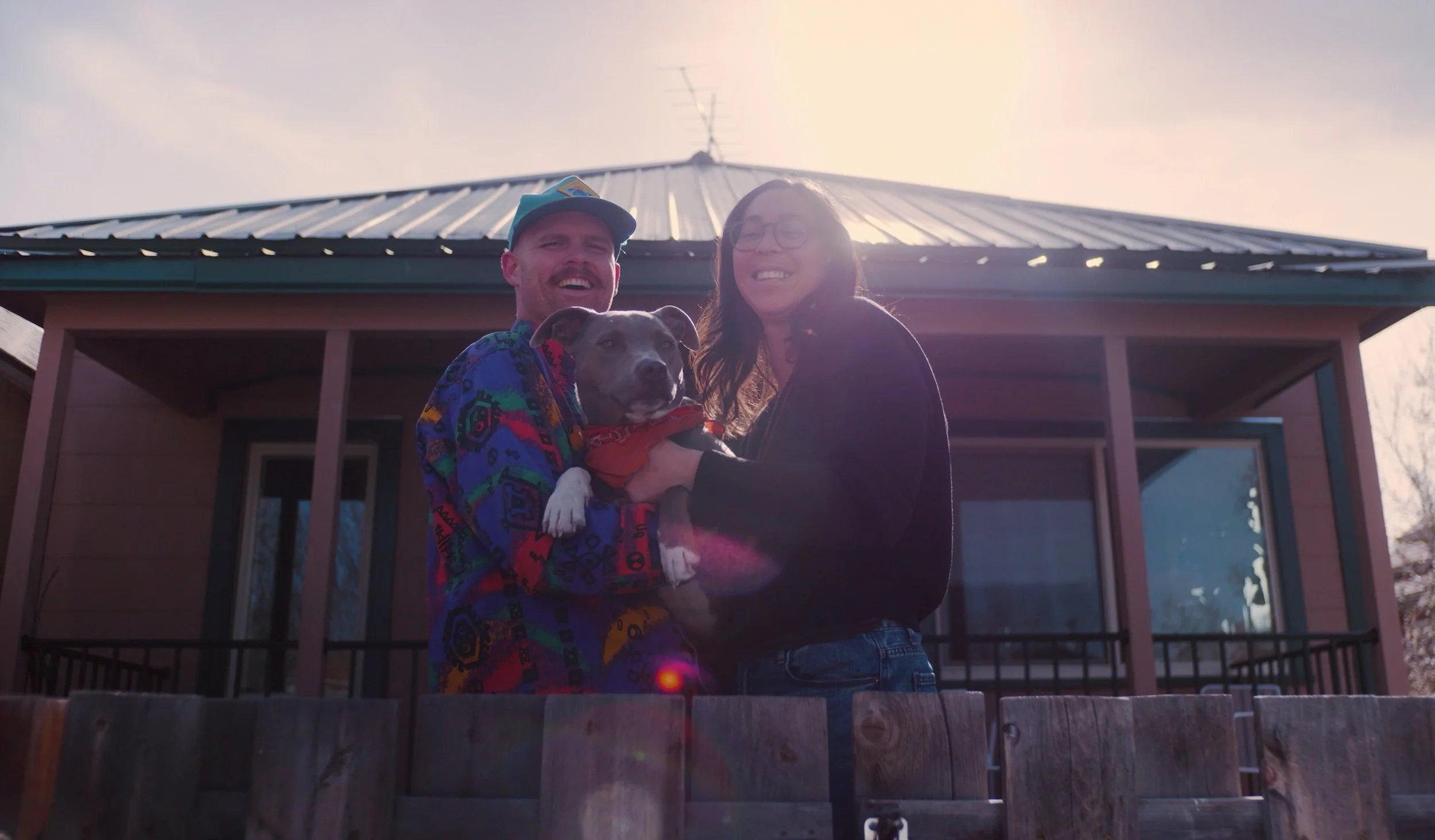
Greg, T, and Bootsie in front of their new home
This film is more than a marketing project — it’s a meaningful extension of HRDC’s mission and a lasting gift to its community. Thoughtful storytelling like this functions as a long‑term strategic asset: HRDC can leverage this documentary across fundraising cycles, board engagement, public communication, and community outreach.
